
Is Your Numb Toe a Shoe Problem or Something Serious?
How to Tell When Tingling Toes Need a Doctor—And When You Just Need Better Footwear You're sitting at your desk when you notice it—that strange tingling in your big toe. By evening, there's numbness spreading across your forefoot. Is this the beginning of diabetes complications? A pinched nerve? Or did those trendy narrow shoes finally exact their revenge? Let's cut through the confusion together and figure out what your feet are actually trying to tell you.
1/4/20265 min read
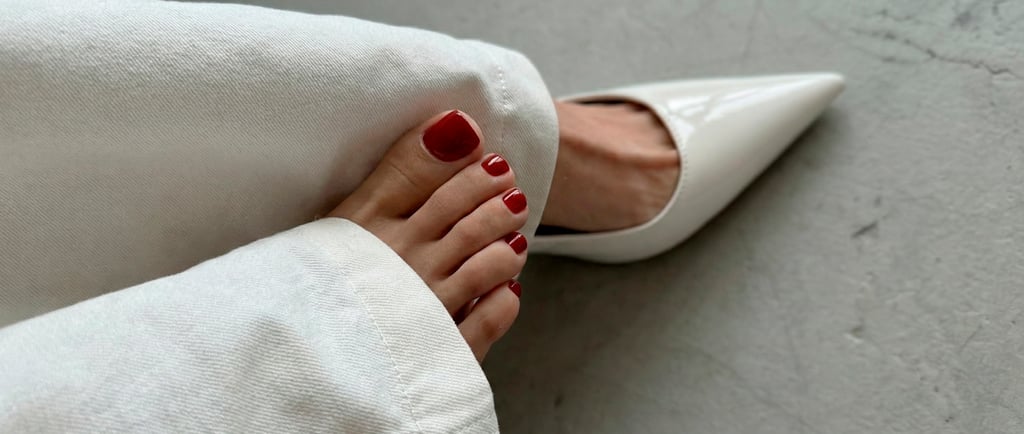
The Complex Dance: How Compression Betrays Your Nerves
Here's the paradox: the same symptom—toe numbness—can stem from something as simple as shoes half a size too small or as serious as diabetic neuropathy. The key lies in understanding the mechanism of betrayal happening in your feet.
Compression neuropathy—the medical term for nerve damage from pressure—operates on a deceptively simple principle. When footwear squeezes your foot, it compresses the delicate nerves running through your toes. These nerves, no thicker than dental floss, can only tolerate about 15-20 minutes of sustained pressure before they start protesting. Initially, you feel tingling. Push it further, and numbness sets in.
Here's a sobering fact: Studies show approximately 75% of people wear shoes that don't match their actual foot dimensions. That fashionable pointed toe or ballet flat could be creating a pressure trap that mimics serious neurological disease.
The window of danger opens when compression becomes chronic. Your brain needs about seven days to establish new neural pathways—meaning if you consistently wear problematic shoes, your nervous system adapts by reducing sensation. You might think the numbness means you're "breaking in" your shoes. In reality, you're breaking down your nerve function.
But systemic neuropathy—from diabetes, vitamin B12 deficiency, or alcohol use—follows a different pattern. These conditions damage nerves from the inside out, starting at the longest nerves (your toes) and gradually progressing upward in a characteristic "stocking" pattern. The crucial difference? Compression neuropathy improves when pressure is removed. Systemic neuropathy doesn't.
Smart Strategies for Protecting Your Nerve Health
Perform the Shoe-Off Test
Remove your shoes after experiencing numbness. If sensation returns within 15-30 minutes, your footwear is the culprit. If numbness persists for hours or occurs even barefoot, schedule a medical evaluation. This simple test can save you unnecessary anxiety (or catch serious problems early).
Master the Squat-and-Flex Measurement
When shopping for shoes, don't just stand—bend your knees and lift your toes upward inside the shoe. Your foot expands by up to 1.5 sizes during walking. If toes feel cramped in this position, you need larger shoes. Remember: shoes don't "break in"—they only deform.
Choose Width Over Length
Length matters, but width determines nerve compression. Your foot's widest point (across the ball) needs room to spread. Look for shoes with adequate "toe box" space—that forward chamber where your toes live. Narrow fashion shoes can compress nerves even when length is perfect.
Track the Pattern
Keep a simple log: When does numbness occur? Which toes? Does it happen with specific shoes or activities? Patterns reveal causes. Numbness only in dress shoes suggests compression. Numbness during rest or with any footwear suggests systemic issues requiring medical attention.
Check for Warning Signs
Examine your shoes for telltale damage: worn heel counters, stretched uppers at the sides, or compressed toe boxes. These indicate improper fit creating chronic pressure. Also inspect your feet for corns, calluses, or redness—physical evidence of compression zones.
Respect the 3cm Rule
Heels above 3cm (about 1.2 inches) force your foot forward, compressing toes against the shoe's front. This creates a pressure trap that can cause numbness within minutes. For important events, limit high-heel time to under two hours and bring comfortable backup shoes.
Invest in Professional Fitting
Visit a podiatrist or specialized shoe fitter for proper measurement. Your feet change throughout life—pregnancy, weight changes, aging all alter foot dimensions. Professional measurement (including width and arch assessment) prevents years of nerve damage from ill-fitting shoes.
Replace Your Socks Too
Worn socks can pull toes into unnatural positions, creating compression even in proper shoes. Replace socks every 3-4 months and choose sizes that extend from heel to first knuckle. Too-small socks can reduce effective shoe size by up to three sizes through toe bunching.
Debunking Common Myths
Myth 1: "Toe numbness always means diabetes or serious nerve disease"
Reality: While systemic neuropathy from diabetes affects 50% of diabetic patients eventually, compression neuropathy from footwear is far more common in the general population. The distinguishing feature: compression-related numbness resolves when pressure is removed, while diabetic neuropathy persists and gradually worsens regardless of footwear. If changing shoes eliminates your symptoms, you've found your answer.
Myth 2: "Shoes stretch and mold to your feet, so initial tightness is normal"
Reality: Shoes deform, they don't adapt. That leather that "breaks in" is actually breaking down structurally, losing its supportive properties. Meanwhile, your nerves suffer repeated compression trauma during the "breaking in" period. Proper shoes feel comfortable immediately—anything requiring adaptation is causing harm.
Myth 3: "Numbness means permanent nerve damage"
Reality: Compression neuropathy is remarkably reversible. Remove the pressure source, and nerves typically recover fully within 2-8 weeks. Even chronic cases often improve significantly with proper footwear. The key is catching it early—prolonged compression (months to years) can cause permanent changes, but most shoe-related numbness resolves completely.
Myth 4: "Only the big toe matters for shoe fit"
Reality: Different foot types have different longest toes. Greek feet have a longer second toe; Roman feet have several toes of equal length. Shoe fitting must account for YOUR longest toe, not just the big toe. Ignoring this creates pressure points that compress nerves in the longer toes, causing numbness in unexpected places.
Myth 5: "If it doesn't hurt, the fit is fine"
Reality: Nerve compression can occur without pain—numbness itself indicates nerve dysfunction. Your brain requires approximately seven days to recognize subtle pressure as problematic. By the time you notice numbness, damage is already occurring. Proper fit means: no pressure points, toes can wiggle freely, and heel doesn't slip during walking.
Important Questions Answered
When should I see a doctor for toe numbness?
Seek medical evaluation if numbness: persists more than 30 minutes after removing shoes, occurs when barefoot, spreads upward toward your ankle, affects both feet symmetrically, or accompanies other symptoms like weakness, burning pain, or balance problems. These patterns suggest systemic neuropathy requiring diagnosis and treatment.
Can compression neuropathy become permanent?
Yes, but it's preventable. Prolonged compression over months or years can cause permanent nerve damage and structural foot changes (like bunions or hammertoes). However, most people who switch to proper footwear within weeks of noticing symptoms experience complete recovery. The damage threshold is roughly 6-12 months of daily compression—plenty of time to course-correct.
How do I know if my shoes actually fit properly?
Try this test: Wear new shoes for 10 minutes while walking around your home, then remove them and observe your feet. Look for red pressure marks, indentations in the skin, or areas where sensation feels different. Proper shoes leave no marks and cause no sensation changes. Additionally, you should be able to wiggle all toes freely while standing in the shoes.
What if I already have systemic neuropathy—does shoe choice still matter?
Absolutely critical. If you have diabetes or other conditions affecting nerves, proper footwear becomes even more important. Your reduced sensation means you won't feel developing problems until serious damage occurs. Work with a podiatrist for professional fitting, inspect feet daily for pressure injuries, and never walk barefoot. Proper shoes don't cure neuropathy but prevent devastating complications like ulcers.
Finding Your Personal Balance
The boundary between mechanical compression and medical condition isn't always sharp, and that's okay. What matters is responding intelligently to your body's signals. Start with the obvious: assess your footwear honestly. If symptoms persist despite proper shoes, seek medical evaluation without delay.
Remember that foot health sits at the intersection of prevention and intervention. Good shoes won't cure diabetic neuropathy, but they can prevent a manageable condition from becoming debilitating. Conversely, even perfect feet can develop problems from years of compression.
The encouraging reality? Most toe numbness is preventable and reversible. Whether your solution involves a shoe size adjustment or medical treatment, the path forward starts with accurate diagnosis. Trust your symptoms, test systematically, and don't hesitate to consult specialists when patterns suggest something beyond simple pressure.
Your feet carry you through life—literally. They deserve footwear that protects rather than compresses, supports rather than constricts. The few minutes invested in proper fitting and the small compromise on fashion are trivial prices for preserving sensation, function, and freedom from pain. After all, you can't enjoy stylish shoes if your numb toes can't feel them.