
Is Your Footwear Destroying Your Body?
Why 98% of People Wear the Wrong Shoe Size and How It's Silently Wrecking Your Knees, Back, and Feet
12/25/20256 min read
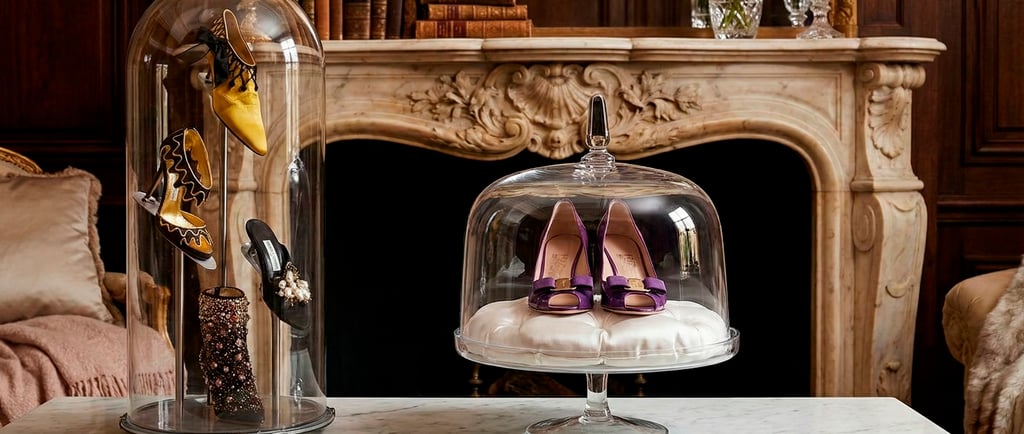
The hidden connection between shoe size and chronic pain—and what you can do about it today
You buy shoes that "feel fine" in the store. Maybe they're a bit snug, but you tell yourself they'll stretch. Fast forward six months: mysterious knee pain, an aching lower back, and feet that throb after a normal workday. Sound familiar? Here's the sobering reality—98% of people wear shoes that don't fit properly, and this single mistake triggers a devastating chain reaction through your entire musculoskeletal system. Let's unpack this surprisingly complex problem together and discover why your shoe size might be the missing piece in your pain puzzle.
The Complex Dance: How Wrong-Sized Shoes Trigger a Biomechanical Betrayal
Your feet aren't just platforms for standing—they're sophisticated shock absorbers in an intricate mechanical system. When you squeeze them into shoes even half a size too small, you initiate a biomechanical domino effect that ripples upward through your entire body.
Here's the surprising fact: shoes don't "break in" or conform to your feet. They only deform. When footwear is too tight, your toes compress and curl, fundamentally altering how you walk. Instead of the natural heel-to-toe roll that distributes impact evenly, you begin compensating with shortened strides and improper foot placement. Your body, remarkably adaptive but not infinitely resilient, shifts the load.
The human body has two primary shock absorbers: your feet and your knees. When one fails, the other bears the burden. Wearing shoes that are too small forces you to grip with your toes to keep them on, creating constant tension. This changes your gait pattern, which then misaligns your knees. The knees, now working overtime to compensate for poor foot mechanics, develop inflammation and wear patterns that lead to arthritis.
But it doesn't stop there. Your pelvis tilts to accommodate the altered walking pattern. Your lower back, fighting to maintain balance, experiences abnormal stress on the vertebrae and discs. Within months—not years—this cascade can transform from minor discomfort into chronic pain conditions: plantar fasciitis, knee osteoarthritis, herniated discs.
Here's the disheartening reality: studies of professional athletes and weekend warriors alike show that improper footwear is the primary factor in 70-80% of overuse injuries. The window of danger opens wider than most realize—even being off by just one centimeter in shoe length creates enough pressure to damage nerve endings in your toes, leading to numbness that people often mistake for neurological disease.
Smart Strategies for Choosing Footwear That Protects Your Joints
Measure Your Feet Properly—While Weight-Bearing Don't measure standing straight. Bend your knee as if taking a step. Have someone trace your foot on paper at this angle, capturing the widest points. Measure in centimeters, not shoe sizes—sizes vary wildly between brands. Your "size 9" might be 25.5cm in one brand and 26.5cm in another.
Test the Toe-Lift Method In the store or at home, put on the shoes with proper athletic socks (covering from heel to the first toe joint). Bend your knees and lift your toes upward inside the shoe. Memorize that sensation. Walk around for 10 minutes—yes, 10 full minutes. Your brain needs time to register new footwear. Any rubbing, pressure points, or discomfort? Pass on those shoes immediately.
Understand Foot Width Matters as Much as Length There are multiple foot types: Roman (four equal toes), Greek (long second toe), Celtic, German. Each requires different shoe shapes. Width measurements range dramatically—someone with a size 39 foot might need width 3 or width 9. Forcing a wide foot into narrow shoes creates the "Chinese foot binding effect," deforming bones over time.
Avoid These Red Flag Shoes Skip ballet flats, pointed dress shoes, canvas sneakers (like Converse), and flip-flops for regular wear. These lack proper arch support, compress toes unnaturally, or provide zero shock absorption. For daily wear, choose shoes with 2-3cm heel lift (not flat, not high) and a roomy toe box.
Watch for Warning Signs Your shoes are wrong if: heels wear down quickly, calluses form anywhere on your feet, toenails become ingrown or discolored, or you experience numbness in toes. These aren't minor annoyances—they're your body screaming that something's wrong.
Replace Socks Regularly Worn socks can pull toes backward by up to three sizes. Replace athletic socks every 3-4 months. Choose socks sized one range above your shoe size (if you wear size 39, buy 40-43 sized socks).
Consider Original Crocs for Daily Wear Yes, they're unstylish. But original Crocs are made from expanded polyurethane that molds to your foot, provides antimicrobial protection, and offers exceptional shock absorption. For people who stand all day—medical professionals, retail workers—they're biomechanically superior to most alternatives.
Give New Shoes a Trial Period Order shoes online and walk in them at home for several days before committing. It takes your brain approximately one week to form new neural pathways adapting to different footwear. What feels "fine" on day one might reveal problems by day five.
Debunking Common Myths
Myth 1: "Shoes will stretch and conform to my feet over time" Reality: Shoes deform, they don't stretch to fit. Leather may soften slightly, but the fundamental structure won't change. If shoes feel tight in the store, they'll damage your feet at home. You should find perfectly comfortable shoes immediately—no "breaking in" period needed.
Myth 2: "Flat shoes are healthier than heels" Reality: Completely flat shoes (zero heel-to-toe drop) eliminate natural shock absorption. The ideal is 2-3cm of heel elevation, mimicking quality running shoes. Anything above 3cm becomes anatomically problematic, but zero drop isn't the answer either.
Myth 3: "Orthopedic shoes from stores will fix my foot problems" Reality: True orthopedic shoes are custom-made for your specific feet. Mass-market "orthopedic" shoes are marketing fiction. Your left and right feet differ significantly—one might have flat arches while the other doesn't. Generic insoles provide temporary comfort but don't address underlying biomechanical issues.
Myth 4: "Toenails become ingrown because I cut them wrong" Reality: Toenails are dead cells that can't cause problems by themselves. Ingrown toenails result from external pressure—almost always from shoes that are too small or socks that are too tight. Cut your nails however is comfortable; focus on proper footwear instead.
Myth 5: "Barefoot or minimalist shoes strengthen foot muscles" Reality: For people with existing foot problems (flat feet, bunions), barefoot shoes can cause significant pain and further damage. They may benefit individuals with perfect foot mechanics who gradually transition, but they're not a universal solution and don't "cure" structural issues.
Important Questions with Answers
Q: I already have knee pain and bunions. Will changing shoes help now, or is it too late? A: Proper footwear prevents further deterioration and can reduce pain significantly, but it won't reverse bone deformities. Once bunions (hallux valgus) form, only surgery can correct them. However, switching to properly sized shoes immediately stops the progression and often eliminates associated pain. Combine this with targeted foot exercises to strengthen supporting muscles.
Q: How do I know if my foot numbness is from shoes versus a neurological condition? A: If numbness appears on the top/front of toes where they contact shoe material and improves when barefoot, it's likely compression from tight footwear. Neurological conditions typically cause symmetrical numbness, affect multiple areas, and don't improve with shoe removal. See a neurologist if changing shoes doesn't resolve symptoms within 2-3 weeks.
Q: Can children wear hand-me-down shoes, or do they need properly fitted new ones? A: Children's feet grow rapidly and irregularly. Worn shoes have already molded to another child's foot shape and gait pattern. Hand-me-downs force developing feet into someone else's biomechanical blueprint, potentially causing permanent deformities. Invest in properly fitted new shoes for kids—their skeletal development depends on it.
Q: I sweat excessively in shoes. Is this hyperhidrosis or a footwear problem? A: Ninety-eight percent of the time, "sweaty feet" result from shoes that are too small. When feet are compressed, your body attempts to cool them, triggering sweat production. True hyperhidrosis is rare—test it by wearing properly sized shoes for two weeks. If sweating persists, see a podiatrist; if it resolves, you've found your answer.
Finding Your Personal Balance
The journey to proper footwear isn't about perfection—it's about awareness and gradual improvement. Your feet are unique, your lifestyle is specific, and your comfort matters. Some people will thrive in Crocs while others need structured athletic shoes. Some can occasionally wear heels for special events; others cannot.
What's non-negotiable is this: measuring your feet correctly, understanding your foot type, and refusing to tolerate discomfort for the sake of style or convenience. Consult with a podiatrist if you have existing foot problems, diabetes, or circulatory issues—professional guidance is invaluable for complex situations.
The encouraging news? Your body is remarkably resilient. Make the switch to properly fitted shoes today, and within weeks you'll likely notice reduced pain, increased walking endurance, and improved overall mobility. You can absolutely combine foot health with quality of life—they're not mutually exclusive.
Your knees, back, and feet carry you through every moment of your life. They deserve shoes that support rather than sabotage them. Start measuring, start questioning, and start prioritizing the foundation of your entire musculoskeletal system. Your future self—pain-free and active—will thank you.