
Can High Heels Really Ruin Your Feet Forever?
How Fashion Footwear Silently Destroys Joints and Deforms Toes Have you ever slipped on a gorgeous pair of heels for a special evening, only to limp home hours later with aching feet? Or perhaps you've noticed your mother's bunions growing more prominent with each passing year, those telltale bumps at the base of her big toes? Most of us know intuitively that certain shoes cause discomfort, yet we continue wearing them, convinced they'll "break in" or that the damage is reversible. Let's unravel the complex relationship between footwear and foot health together.
12/30/20257 min read
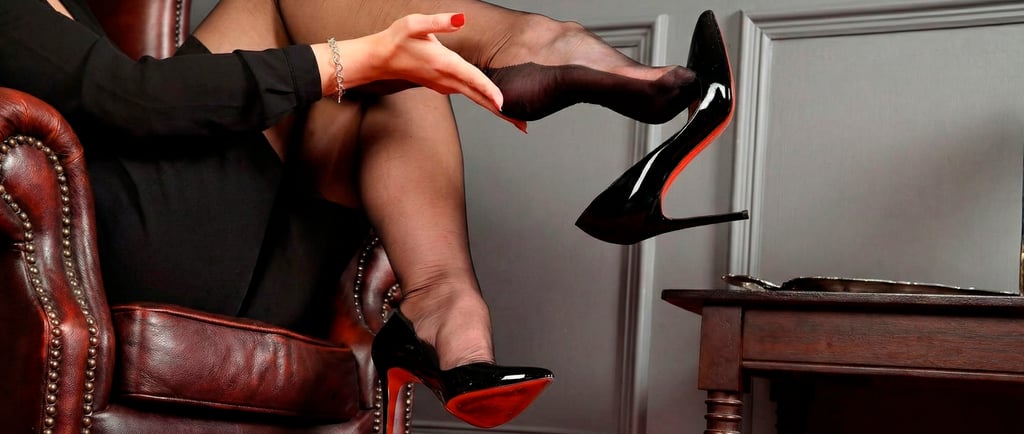

The Complex Dance: How Poor Footwear Silently Destroys Your Feet
Your feet are architectural marvels—each one contains 26 bones, 33 joints, and over 100 muscles, tendons, and ligaments working in harmony. When you squeeze this intricate machinery into ill-fitting shoes, you're not just causing temporary discomfort; you're triggering a cascade of skeletal changes that can become permanent.
Here's the sobering truth: footwear doesn't adapt to your feet. Your feet adapt to your footwear. When you wear shoes that are too narrow, too short, or perched on excessive heels, your body initiates a compensatory process. The ligaments weaken, bones gradually shift position, and what begins as occasional pressure becomes structural deformation.
Consider hallux valgus, commonly known as bunions—that distinctive bump where your big toe angles toward the second toe. This isn't merely cosmetic. It develops because narrow toe boxes force the first metatarsal bone outward while pushing the big toe inward. Over time, the joint capsule stretches, the bursa becomes inflamed, and bone starts depositing in abnormal locations. The process typically takes years, which is precisely why many people don't notice until the deformation becomes severe.
The betrayal doesn't stop at your toes. Hammer toes—where the smaller toes curl downward at the middle joint—emerge from the same pressure pattern. Your toes desperately grip the inside of too-small shoes, causing the tendons to contract permanently. Meanwhile, wearing heels over 3 centimeters shifts your body weight onto the front of your foot, crushing the metatarsal heads together and accelerating forefoot collapse.
Here's a startling fact: approximately 90% of people wear shoes that don't fit properly. Even more alarming, most foot deformities attributed to "genetics" or "age" are actually the accumulated result of decades of improper footwear choices.
The damage radiates upward through your kinetic chain. Your foot is one of two primary shock absorbers in your body (the knee being the other). When your foot mechanics fail, your knees compensate with altered tracking. Your pelvis tilts to balance the asymmetry. Your lumbar spine bears abnormal loads. What started as cramped toes becomes chronic knee pain, hip dysfunction, and lower back problems—a full-body betrayal from footwear decisions made years earlier.
Smart Strategies for Protecting Your Feet
Measure Both Feet While Standing
Never measure your feet sitting down. When you stand, your foot expands and lengthens—sometimes by half a size or more. Bend your knee slightly to simulate walking pressure, then trace your foot on paper while weight-bearing. Measure from your longest toe (which might not be your big toe) to your heel. Always use centimeters, not shoe sizes, since sizing varies wildly between manufacturers.
Understand Your Foot Shape
Feet come in distinct types: Roman (four toes of similar length), Greek (long second toe), Celtic, and Germanic. Each shape needs different shoe profiles. A Roman foot in a pointed shoe is a recipe for disaster. Identify your type and shop accordingly. The widest part of your shoe should align with the widest part of your foot—no exceptions.
Test Shoes Properly Before Buying
Wear fresh socks that fit correctly (they should extend from heel to the first knuckle of your toes). Put on both shoes, stand, bend your knees, and lift your toes inside the shoes. Memorize that feeling. Now walk around for at least 10 minutes, focusing individually on each toe. Any pressure point, any seam that rubs, any sensation of gripping means that shoe fails. Your brain needs approximately one week to fully adapt to new footwear neural patterns, but you shouldn't feel pain even on day one.
Check for Red Flags
Calluses indicate friction—always. If your shoes wear unevenly (heels grinding down on one side), you have pronation or supination issues requiring assessment. If the heel counter wears down quickly, your shoes are too small. If the side mesh tears, the width is insufficient. If your big toenail thickens, darkens, or ingrows, your shoes are compressing your feet. These aren't coincidences; they're your body's distress signals.
Avoid the "Break-In" Myth
Shoes don't break in—they break down. Leather doesn't mold to your foot; it simply deforms under pressure while your foot simultaneously deforms to match the shoe. If shoes don't feel comfortable in the store, they never will. That "they'll stretch" promise is retail fiction designed to close sales. Proper shoes feel immediately comfortable, even if they feel different from your old patterns.
Embrace Wider Toe Boxes
Your toes need space to splay naturally during the gait cycle. Count how many toes you can see when looking down at your shoes while standing. If you can't see at least three toes spreading, your shoes are too narrow. Toe crowding isn't just uncomfortable—it's the primary mechanism behind bunions, hammer toes, and Morton's neuroma.
Limit Heel Height Strategically
Anatomically, the maximum safe heel height is 3 centimeters. Everything beyond this forces unnatural weight distribution onto your forefoot. If you must wear higher heels for special occasions, limit exposure to under 2-3 hours and never walk long distances. Remove them every chance you get. Consider that wearing heels typically requires choosing shoes 1-1.5 sizes smaller to prevent your foot from sliding forward—compounding the damage.
Stimulate Foot Muscles Daily
Your feet have intrinsic muscles that modern footwear allows to atrophy. Spend 30 seconds each morning practicing toe spreading and gripping. Try picking up a towel or marbles with your toes. Roll a tennis ball under your arch. These simple exercises activate dormant muscles and strengthen your plantar fascia, providing natural arch support that reduces dependence on orthotics.
Debunking Common Myths
Myth 1: "Shoes need to break in before they're comfortable"
Reality: This persistent belief causes enormous harm. Footwear that requires "breaking in" is simply inappropriate for your foot anatomy. What people interpret as shoes "breaking in" is actually a combination of the shoe deteriorating and your foot deforming to accommodate it. Proper footwear feels comfortable immediately, though you may need about a week to fully adjust to improved biomechanics if switching from problematic shoes.
Myth 2: "Barefoot or minimalist shoes strengthen your feet naturally"
Reality: While minimalist footwear has theoretical benefits, it's only appropriate for people with healthy, non-deformed feet who gradually transition over many months. For someone with existing flat feet or bunions, suddenly switching to zero-drop shoes provides no structural support during a period when support is medically necessary. Think of it like removing a cast before a fracture heals—you need the support until the underlying problem resolves. Even with healthy feet, barefoot shoes require consistent conditioning, not weekend experiments.
Myth 3: "Orthotics and arch supports cure flat feet"
Reality: Orthotic inserts are sophisticated crutches—helpful while you're using them, but they don't permanently correct the underlying weakness. The moment you remove orthotics, your foot returns to its previous state. They're valuable for symptom management and preventing progression, but true correction requires addressing muscle weakness, joint mobility, and footwear choices simultaneously. Consider orthotics as part of a comprehensive strategy, not a standalone solution.
Myth 4: "If you're born with bunions in your family, you'll definitely get them too"
Reality: While certain foot shapes are hereditary, the deformity itself is not. You may inherit a Greek foot type with a long second toe, which creates higher susceptibility to bunions—but only if you wear improper footwear. Genetic predisposition loads the gun; poor shoe choices pull the trigger. Many people with "bunion genes" never develop them because they prioritize proper fit over fashion.
Myth 5: "Age naturally causes thick, deformed toenails"
Reality: There's no such thing as "senile" or "age-related" toenail dystrophy. Healthy nails remain healthy throughout life, regardless of age. Those thick, discolored, overgrown toenails you see are invariably caused by secondary factors: chronic fungal infections (onychomycosis), repetitive microtrauma from ill-fitting shoes, psoriasis, or circulatory problems. If your 82-year-old grandmother has perfect nails, it's not luck—it's proper care and appropriate footwear.
Important Questions Answered
Q: My feet sweat excessively. Could my shoes be causing hyperhidrosis?
A: In 98% of cases where people complain of "sweaty feet," the actual cause is shoes that are too small, not hyperhidrosis. When your foot is compressed, your body attempts to cool the tissue through increased perspiration. True hyperhidrosis is relatively rare and creates such dramatic sweating that it literally drips from your feet or leaves wet prints when walking barefoot. If your feet only sweat in shoes, size up and ensure adequate width. The problem typically resolves within days of proper fitting.
Q: Can changing my footwear reverse bunions or hammer toes that have already formed?
A: Unfortunately, once structural skeletal changes occur, proper footwear can only prevent further progression—it cannot reverse established deformities. Those devices marketed to "straighten" bunions overnight have zero evidence of efficacy. However, switching to appropriate shoes immediately stops the mechanical stress driving the deformity. For severe cases causing pain or limiting mobility, surgical correction by an experienced orthopedic surgeon offers excellent outcomes with modern techniques. The key is acting before degeneration progresses to arthritis.
Q: How often should I replace my everyday shoes?
A: Contrary to fashion industry marketing, shoes don't have universal expiration dates. Well-fitted shoes last significantly longer than ill-fitted ones because they experience even wear patterns rather than concentrated stress points. If your shoes fit properly, the materials will maintain integrity far longer—potentially years for quality construction. Replace shoes when you notice structural breakdown: compressed cushioning, separated seams, or worn treads. For athletic shoes with high mileage (running, sports), consider replacement every 400-600 kilometers based on cushioning compression.
Q: Are Crocs actually good for your feet, or is that marketing hype?
A: Authentic Crocs have genuine podiatric merit. They're constructed from a specialized foam resin that provides substantial shock absorption, doesn't harbor bacteria or fungi, and most importantly, offers an extremely wide toe box that allows natural toe splay. The ventilation holes prevent moisture accumulation. The heel cup provides stability. For medical professionals who stand all day, Crocs LiteRide series with polyurethane footbeds mold to your foot shape and relieve plantar fascia tension. The main drawback is aesthetic—they're not conventionally attractive. But from a pure biomechanical perspective, they're among the healthiest casual footwear options available.
Finding Your Personal Balance
Managing foot health isn't about rigid rules or total deprivation of fashionable footwear. It's about understanding consequences and making informed decisions. Yes, you can wear those stunning heels to your daughter's wedding—just understand you're accepting temporary discomfort and shouldn't be surprised by sore feet afterward.
The critical principle is this: your everyday footwear should prioritize health over aesthetics. Reserve fashion choices for occasional events, and even then, pack comfortable shoes for transitions. Many people successfully navigate this balance by keeping proper footwear in their car or office.
If you're already experiencing persistent foot pain, numbness in your toes, or visible deformities, consultation with a qualified podiatrist or orthopedic specialist is essential. These professionals can assess your specific biomechanics, identify contributing factors beyond footwear (like diabetes, arthritis, or neurological conditions), and develop comprehensive treatment plans.
Remember that foot health directly influences your entire kinetic chain. Problems that seem isolated to your feet rarely stay there—they ascend to your knees, hips, and spine over time. Investing in proper footwear isn't vanity; it's preventive medicine that pays dividends throughout your body for decades to come. Your feet carry you through life. Treat them with the respect they deserve.